
- United Arab Emirates · Dubai+971 56 503 7417– local timeNearest to you
- Saudi Arabia · Riyadh+966 56 471 5121– local timeNearest to you
- India · Chennai+91 89254 41119– local timeNearest to you
- Jordan · Amman+962 77 100 1008– local timeNearest to you
- United States · Austin+1 469 321 9595– local timeNearest to you
property accounting software
The accounting ERP
built for property.
Receivables, payables, journal vouchers and the general ledger, with IFRS 15 and IFRS 16 built in. Run propGOTO Books as your independent ERP, or keep Microsoft Dynamics 365, SAP or Oracle and let propGOTO post to it in real time.
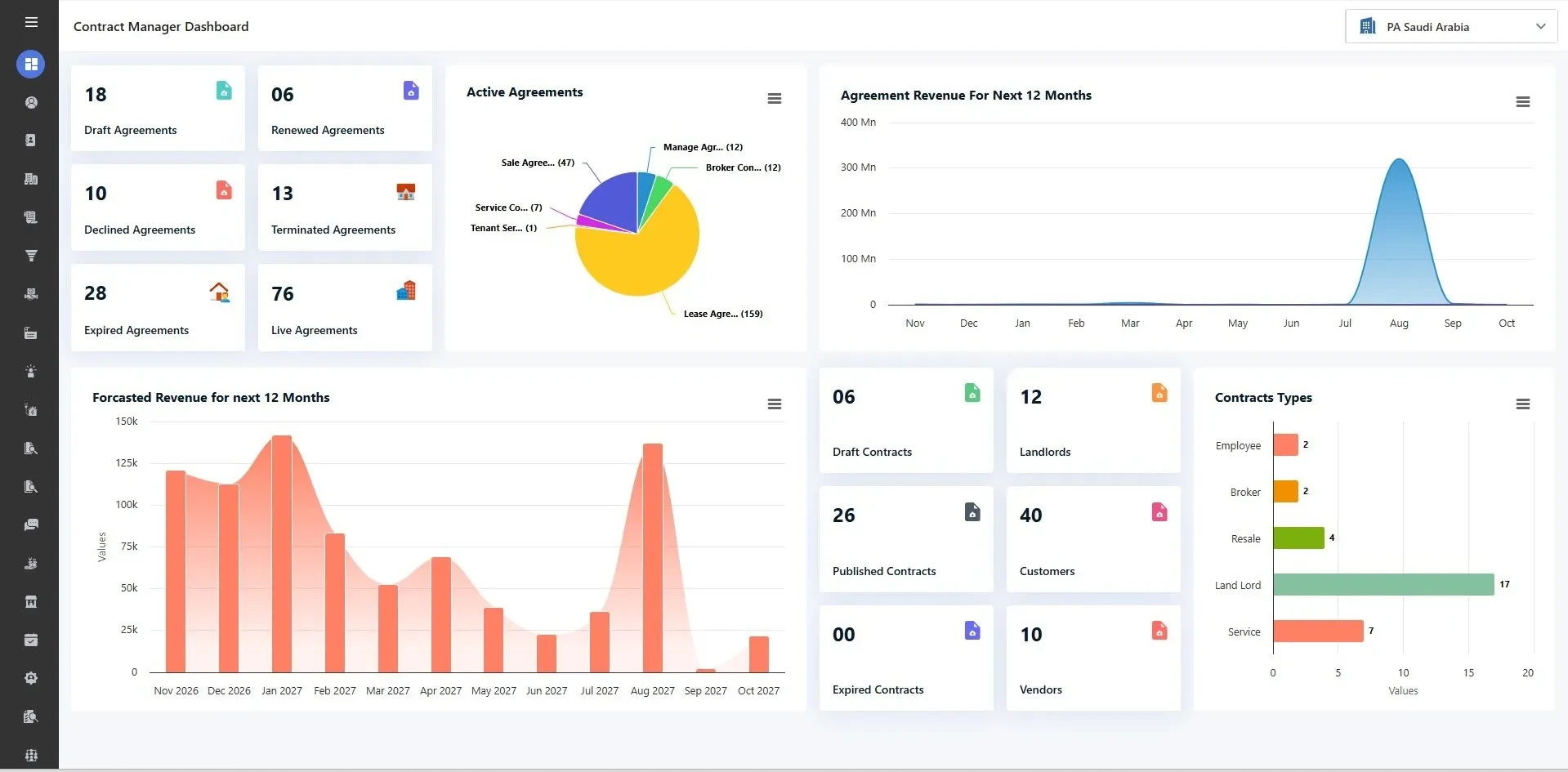
Generic accounting doesn't know what a lease is.
Property finance runs on agreements, units, owners, deposits and service jobs. When those live in one system and the books live in another, finance spends the month retyping and reconciling.
Rent, service charges and recharges are keyed into accounting by hand, and every change to a lease means another manual adjustment.
IFRS 15 revenue and IFRS 16 lease schedules are rebuilt in spreadsheets each period, outside the system that holds the contracts.
Costs spent on a managed property, deposits held and vendor bills can't be traced back to the unit, the contract or the job.
propGOTO Books as your ERP. Or propGOTO with your ERP.
One system from the lease to the trial balance. Every operation posts to the propGOTO ledger.
Keep Microsoft Dynamics 365, SAP or Oracle as the book of record. propGOTO runs the property operation and keeps your ERP in step.
Not ready to move the ledger yet? Start with receivables and payables in propGOTO, and move the general ledger when finance is ready.
A complete ERP, from the first invoice to the trial balance.
Invoices, credit notes, receipts and statements, scheduled straight from your agreements.
Vendor bills, payments, debit notes and expense claims, with approvals and controls on every step.
Manual and automatic journals, chart of accounts, trial balance and period close.
Bank and cash accounts, receipts and payments, reconciliation and balance checks.
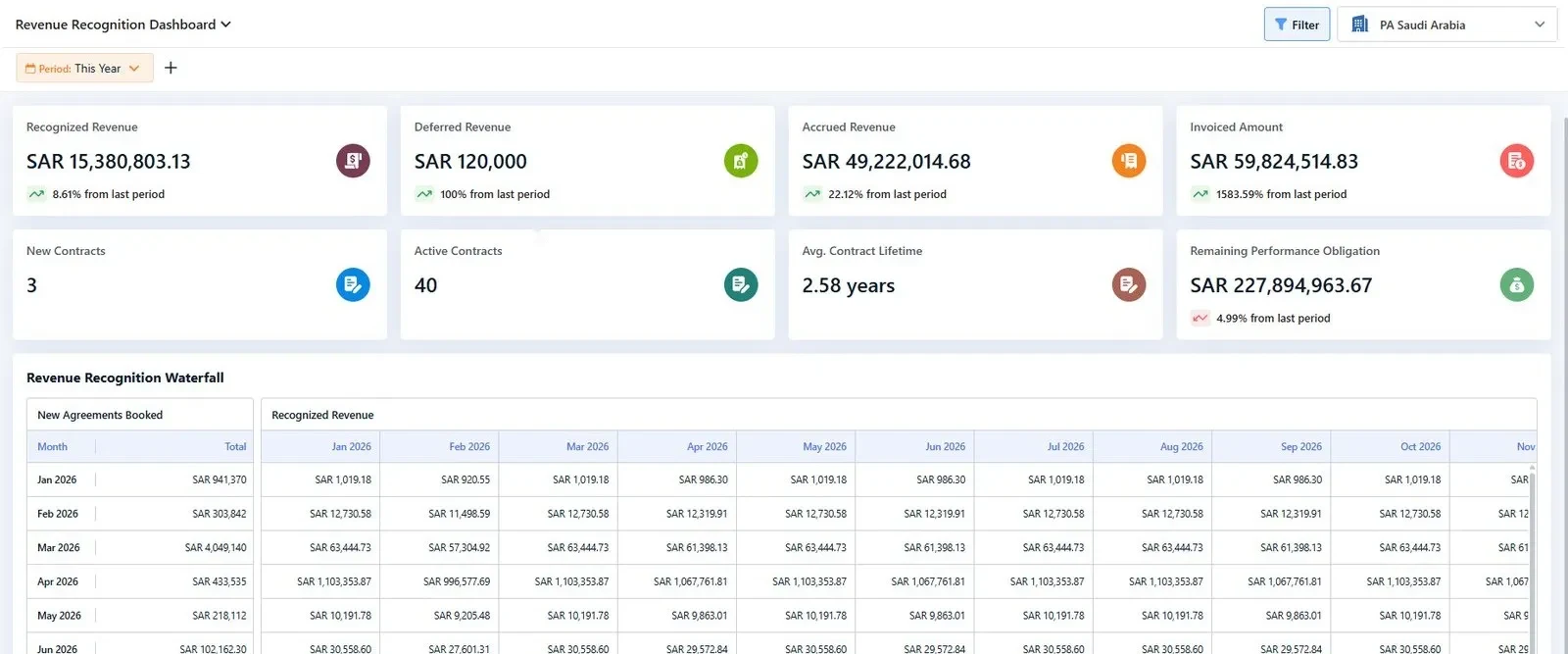
Revenue recognised over time or at a point in time, contract by contract.
Right-of-use assets and lease liabilities for every lease you take in.
Recharges, amounts due to owners and owner statements for managed properties.
VAT and GST by country, input tax recovery and e-invoicing formats.
Keep Microsoft Dynamics 365, SAP or Oracle as your ledger. propGOTO keeps it in step.
Operations post to the books. Nobody retypes.
Every operational document carries its property, unit and cost centre into the journal, so the trial balance and the property reports read from the same entries.
- 1OperationLease, sale, service job, vendor or asset contract
- 2DocumentInvoice, bill, credit or debit note
- 3CashReceipt, payment, refund, advance
- 4JournalPosted automatically, or by journal voucher
- 5ReportsTrial balance, P&L, balance sheet, IFRS schedules
Every revenue stream, billed and collected.
Invoices come from the agreement, not from a spreadsheet. Finance reviews, posts and collects.
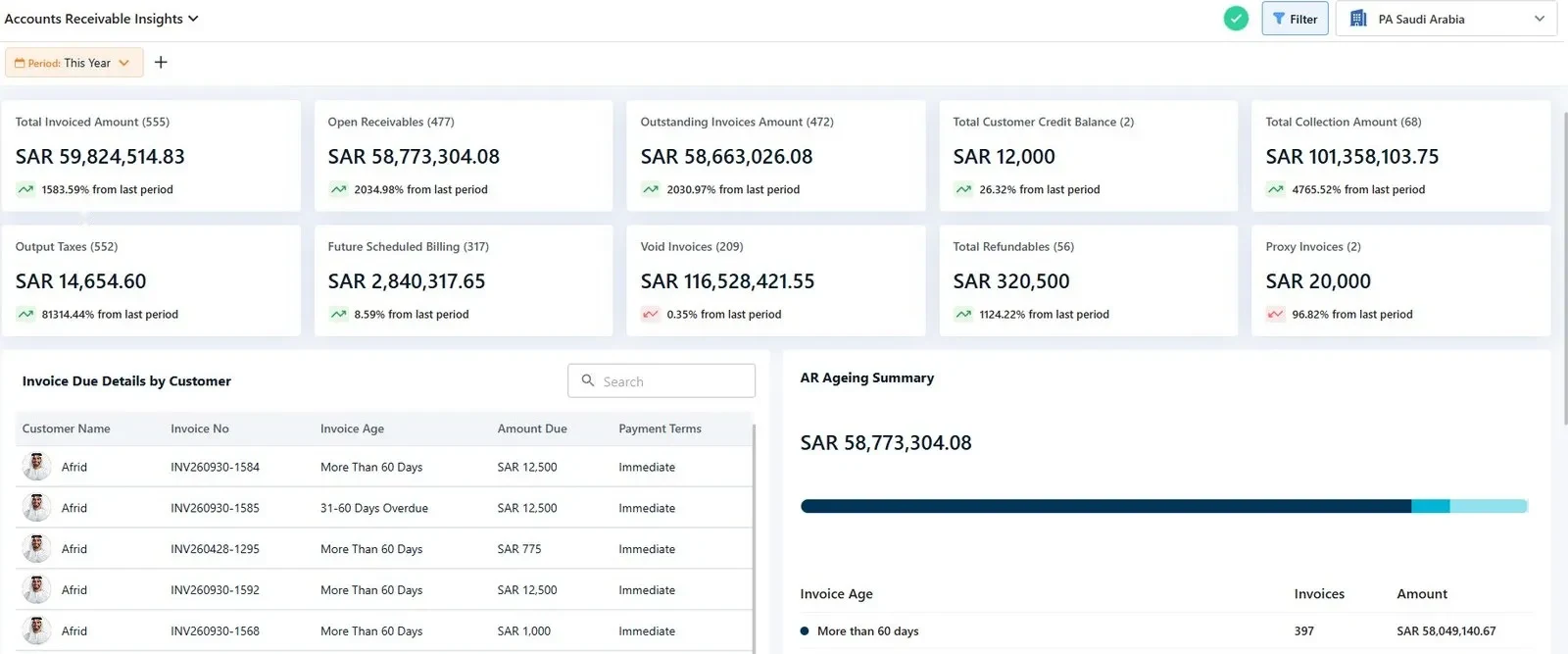
From vendor bill to payment, with every control in place.
Bills from contracts, recurring schedules and one-off purchases follow one pipeline: scheduled, posted, paid. A posted bill is locked, and every correction leaves a trail.
The general ledger, with journal vouchers.
Every AR and AP document carries its accounts and dimensions into one general ledger, together with your journal vouchers for everything else.
The standards real estate gets wrong, built in.
The contracts already live in propGOTO, so the schedules are calculated from them. No separate spreadsheets at period end.
Owners, tax and cash, handled the property way.
Managed properties, deposits and recharges follow the rules of your management agreement, and tax follows the rules of your country.
Already on Microsoft Dynamics 365? Keep it.
Many finance teams already run Dynamics 365, SAP or Oracle. propGOTO runs the property operation, and the finance records it creates flow to your ERP in real time, mapped to your chart of accounts. Your accountants keep working in the system they know.
For enterprises and groups that run finance across many companies in Dynamics 365.
For mid-sized companies that run their accounts in Business Central.
The objects, direction and timing of each connection are agreed in the integration scope for your project.
Questions
Is propGOTO Books a full accounting system?
Yes. It covers receivables, payables, cash and bank, journal vouchers and the general ledger, with IFRS 15 and IFRS 16 built in.
Do we have to replace our ERP?
No. You can run your books in propGOTO, or keep SAP, Oracle or Microsoft Dynamics 365 and let propGOTO send the postings.
We already run Microsoft Dynamics 365. What happens?
Keep it. propGOTO runs leasing, billing and operations, and sends customers, invoices, payments and settlements to Dynamics 365 Finance & Operations or Business Central in real time, mapped to your chart of accounts. The general ledger, payables, journals and bank reconciliation stay in Dynamics 365.
How does it handle IFRS 16 for leases we take in?
Asset lease contracts carry the incremental borrowing rate, and propGOTO calculates the right-of-use asset, the lease liability and their schedules, including remeasurement when the contract changes.
Can costs on a managed property be recharged to the owner?
Yes. A vendor bill can be charged back to the owner, the tenant or the unit's shareholders, and the recharge invoices are created for you, following your management agreement.
Which countries' tax rules does it follow?
Tax follows the company's country profile: VAT or GST, standard, zero-rated, exempt and out-of-scope rates, and the e-invoicing format required locally.
Bring one month of invoices and vendor bills.
We show them flowing from the operation to the ledger, with the IFRS 15 and IFRS 16 schedules, on your own data.

Dubai, UAE
Chennai, India
Manila, Philippines
Kuala Lumpur, Malaysia
Amman, Jordan
Texas, USA